Air Source vs Ground Source Heat Pumps: Which Suits Your Home?
Choosing between air source vs ground source heat pumps comes down to three things. Your budget, your outdoor space and how long you plan to stay. Both heat your home using electricity and free heat from outside. Both qualify for the same government grant. The difference is where that heat comes from.
The short answer
An air source heat pump suits most UK homes. It costs less, fits in a small space and installs in days. A ground source heat pump is more efficient but costs far more upfront. It needs a large garden or a borehole. It suits bigger properties with land and owners who plan to stay long term.
Key differences at a glance
| Factor | Air source | Ground source |
|---|---|---|
| Heat source | Outside air | Buried pipes in the ground |
| Typical cost before grant | Around £8,000 to £14,000 | Around £18,000 to £30,000 or more |
| Standard grant | £7,500 | £7,500 |
| Seasonal efficiency (SCOP) | About 3.0 to 3.8 | About 3.5 to 4.5 |
| Space needed | A small spot outside for one unit | A large garden for trenches, or a borehole |
| Installation | Usually a few days | Longer, with digging or drilling |
| Disruption | Low | High, as the garden is dug up |
Prices are typical UK guide figures for 2026. Your quote depends on your home’s size and heat loss.
How does an air source heat pump work?
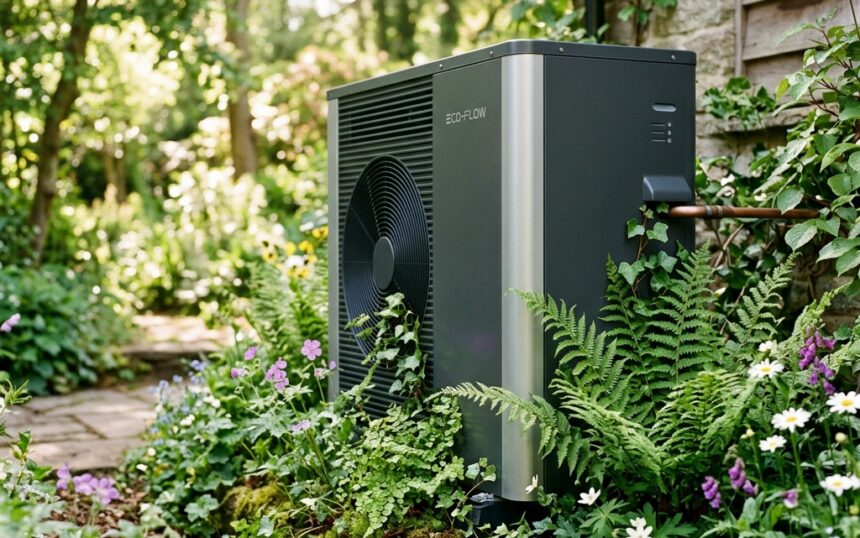
An air source heat pump takes heat from the outside air. It works even when the weather is cold. A unit sits outside your home, a bit like an air conditioning unit. It warms water for your radiators, underfloor heating and hot water cylinder.
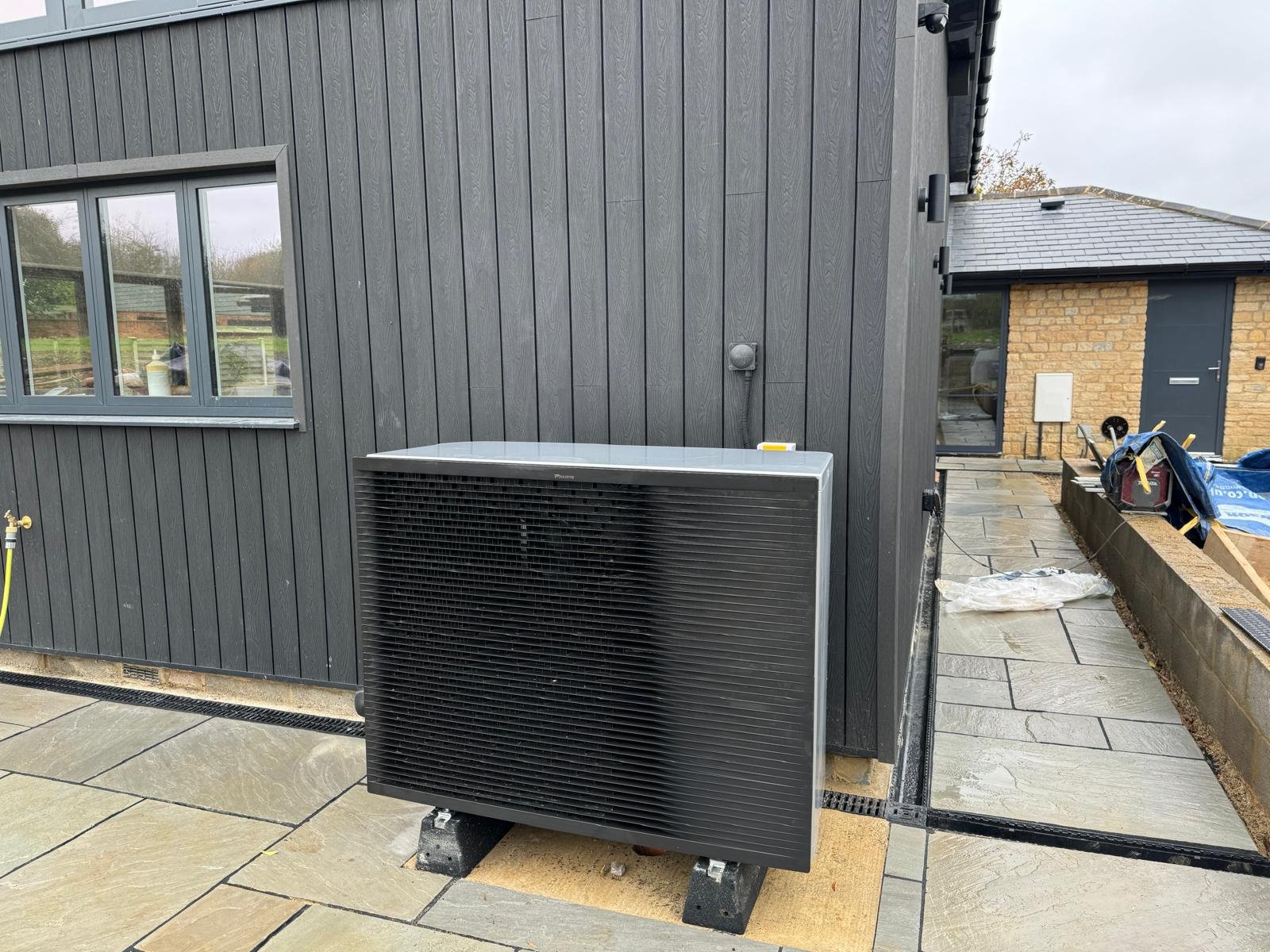
For every unit of electricity used, you get roughly three units of heat. That is why running costs can compete with a gas boiler. You can read more on our air source heat pumps page.
How does a ground source heat pump work?
A ground source heat pump collects heat through pipes buried in the ground. The ground stays at around 10 to 12°C all year. That steady temperature keeps efficiency high, even in a hard frost.
The pipes go in one of two ways. Horizontal trenches need a large garden. Vertical boreholes need less space but cost more to drill. Either way, expect groundworks before the heating is fitted.
Which costs more to install?
Ground source costs more. The heat pump itself is similar in price. The extra cost is the digging or drilling. Many ground source projects cost twice as much as air source. Some cost three times as much.
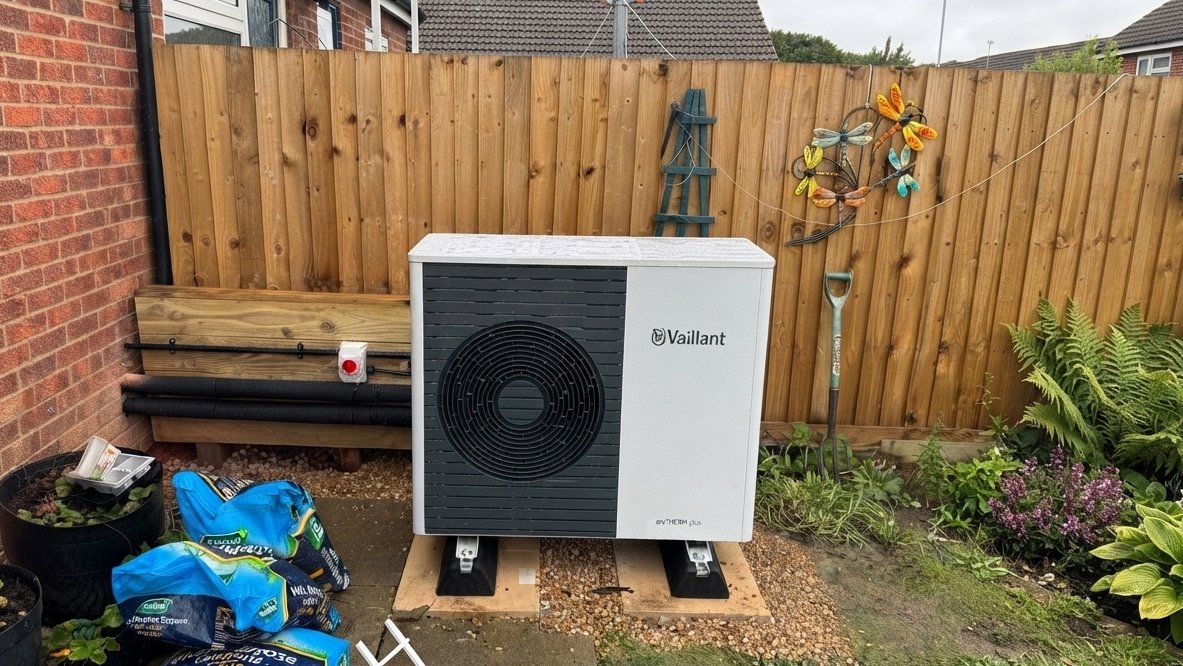
After the £7,500 grant, many air source installs cost a few thousand pounds. A ground source install can still leave £10,000 or more to pay.
Which is cheaper to run?
Ground source is usually cheaper to run, because it is more efficient. The gap is smaller than many people expect. For an average home, the yearly saving rarely covers the extra install cost quickly. Payback on the difference can take many years.
What matters more is good design. A correctly sized system with the right radiators runs efficiently. A poorly designed one will not, whichever type you choose.
What grants are available in 2026?
The Boiler Upgrade Scheme covers both types in England and Wales. Here is what you can get:
- £7,500 towards an air source (air-to-water) heat pump.
- £7,500 towards a ground source heat pump.
- £9,000 for eligible off-gas grid homes replacing oil, LPG or coal heating. This higher rate runs from 21 July 2026 to 31 March 2027.
Your installer applies for you. The grant comes off your quote, so you never have to claim it back. The installer must be MCS certified. Easylife Energy is MCS certified for air source heat pumps.
Which heat pump suits your home?
Choose air source if:
- You have a typical house with a modest garden or side space.
- You want lower upfront costs.
- You want a quick install with little mess.
- You may move home within ten to fifteen years.
Consider ground source if:
- You have a large garden or land.
- Your home is large with high heating demand.
- You are building new or already doing major groundworks.
- You plan to stay for decades and want the lowest running costs.
Will a heat pump work in an older home?
Yes, in most cases. The key is a proper heat loss survey. Some homes need larger radiators or extra insulation first. A good installer will tell you this before you commit. Pairing a heat pump with solar panels and battery storage can cut running costs further.
Frequently asked questions
1. Is a ground source heat pump better than an air source heat pump?
It is more efficient, but not better for every home. Ground source costs far more and needs land. Air source gives most homes better value.
2. How much space does an air source heat pump need?
You need a spot outside for one unit, with clear airflow around it. You also need indoor space for a hot water cylinder.
3. Are air source heat pumps noisy?
Modern units are quiet. Most sound similar to a fridge humming when heard from a few metres away. Careful placement keeps noise away from bedrooms and neighbours.
4. Do heat pumps work in cold weather?
Yes. Air source heat pumps are designed for UK winters and work below freezing. Efficiency dips slightly on the coldest days. Ground source stays steadier because ground temperature barely changes.
5. How long do heat pumps last?
A well-maintained heat pump typically lasts 15 to 20 years. The buried pipework for a ground source system can last much longer.
Get honest advice on your home
Not sure which way to go? We survey your home and give you clear figures. No sales pressure, just straightforward advice. Easylife Energy installs air source heat pumps across Milton Keynes, Bedford, Luton, Aylesbury and nearby towns. Call 01908 714578 or book a free survey.