
Warm Homes Loan Scheme 2026: Lenders, Eligibility and How to Apply
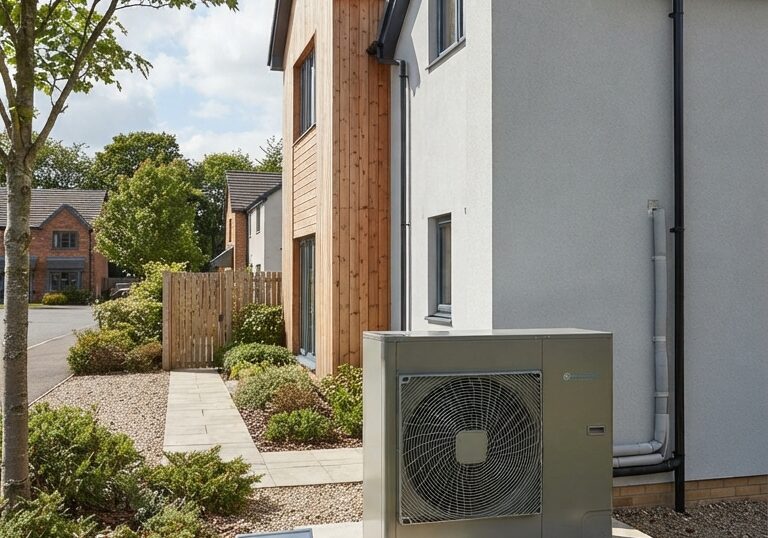
Quick answer: The Warm Homes Loan Scheme is a government-backed loan for heat pumps, solar panels and home batteries. It opened on 27 October 2026 with ten lenders. The government pays part of the interest, so your rate drops by up to around five percentage points. Some loans are interest-free. Homeowners and private landlords across the UK can apply. You borrow from a lender, not the government, and the work must be done by an MCS certified installer.
Key takeaways
- Ten lenders are taking part so far, with more expected.
- You can borrow up to £15,000 for solar and £15,000 for a battery.
- Air source heat pumps are capped at £20,000, ground source at £35,000.
- You can combine a heat pump loan with the Boiler Upgrade Scheme grant.
- Insulation, windows and roofing work are not covered.
- Your quote must come from an MCS certified installer.
What is the Warm Homes Loan Scheme?
It is the finance side of the government’s Warm Homes Plan. The plan’s grants mainly help lower-income households. This loan is aimed at everyone else.
Think of homeowners who could afford monthly repayments. But they don’t have £10,000 or more in savings for an upgrade. The scheme makes borrowing for low carbon home upgrades cheaper.
The Department for Energy Security and Net Zero (DESNZ) runs it. It doesn’t lend money itself. Instead, it pays approved lenders a grant of up to 20% of each loan. Lenders must pass that saving on to you as a lower interest rate.
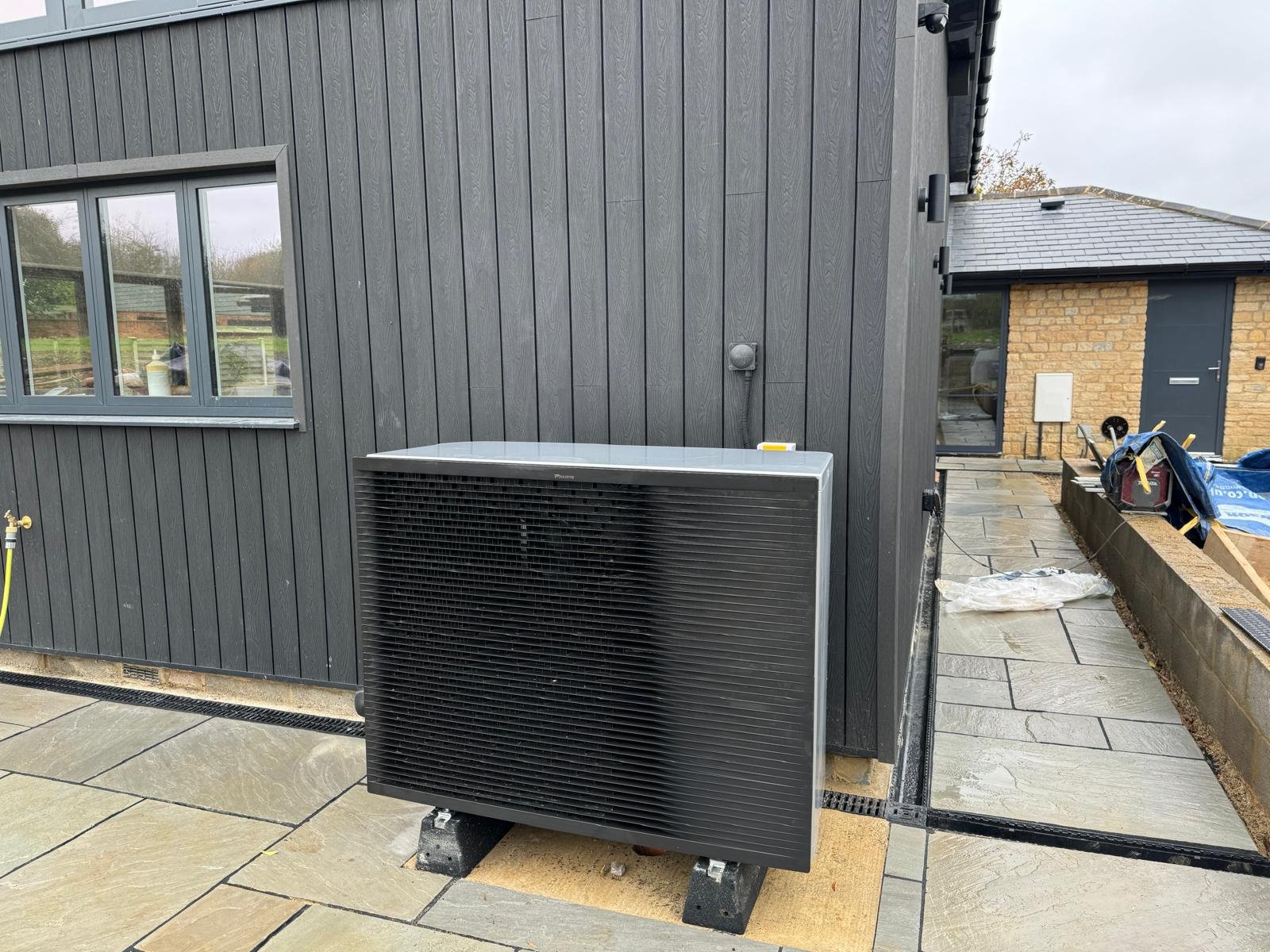
How much cheaper are Warm Homes loans?
Rates fall by up to around five percentage points compared with a normal loan. The exact rate depends on the lender. It also depends on your credit checks and loan length.
The government gives its own example. Borrow £10,000 at 8% over seven years on a normal loan. You would repay about £155 a month. Through the scheme, you could save up to £285 a year.
Some lenders offer interest-free heat pump loans and solar loans. Others offer terms of up to 30 years. The government support only applies to loans of three years or more.
Tip: Don’t just compare the headline rate. Check the total amount repayable, the loan length and any monthly fees.
Which lenders offer Warm Homes loans?
The government named the first ten lenders on 27 October 2026. They are:
| Participating lender | What to check |
|---|---|
| HomeServe Finance (with E.ON) | Linked to E.ON installations |
| Hometree Finance | Which installers it works with |
| The Money Co-op | Membership and installer rules |
| Propensio | Which installers offer its finance |
| Secure Trust Bank | Which retailers offer its finance |
| Selina Finance | Loan terms and security required |
| South Manchester Credit Union | Local membership rules |
| Sunsave | Linked to Sunsave installations |
| Tandem Bank (with British Gas) | Approved installer rules |
| This Bank | Which partners offer its finance |
Lenders don’t all work the same way. Some only lend through their own partner installers. Others let you choose any MCS certified installer. Always ask before you apply. More lenders are expected to join in late 2026 and 2027.
Who can apply for a Warm Homes loan?
The rules are fairly open. There is no income limit. There is no minimum EPC rating. Property type doesn’t matter at scheme level.
You can usually apply if you are:
- An owner-occupier of an existing home in England, Scotland, Wales or Northern Ireland
- A private landlord borrowing in your own name, for each property you own
You can’t apply if:
- The property is owned by a limited company
- The home is still being built
- Another public grant or loan is paying for the same work (the Boiler Upgrade Scheme is the exception)
- You don’t pass the lender’s credit and affordability checks
Each lender still makes the final decision. Some may ask for extra things, such as a current EPC.
How much can you borrow?
Each technology has its own loan cap. The cap includes the extra work needed to fit it, such as scaffolding or new radiators.
| Technology | Maximum loan | What it can include |
|---|---|---|
| Solar panels (PV) | £15,000 | Panels, scaffolding, grid connection, an EV charger fitted with the solar |
| Battery storage | £15,000 | A battery on its own or with solar, plus fitting and protection devices |
| Air source (air-to-water) heat pump | £20,000* | Heat pump, radiator upgrades, pipework, hot water cylinder |
| Ground source heat pump | £35,000* | Ground loops or boreholes, heat pump, radiators, cylinder |
| Biomass boiler (rural homes) | £20,000* | Boiler and installation, with a grant |
| Domestic wind or micro-hydro | £20,000 | System and installation |
| Heat network connection | £7,500 | Connection to a low carbon heat network |
*Heat pump and biomass caps apply before the Boiler Upgrade Scheme grant is taken off. Air-to-air heat pumps have a £10,000 cap but can’t be funded yet.
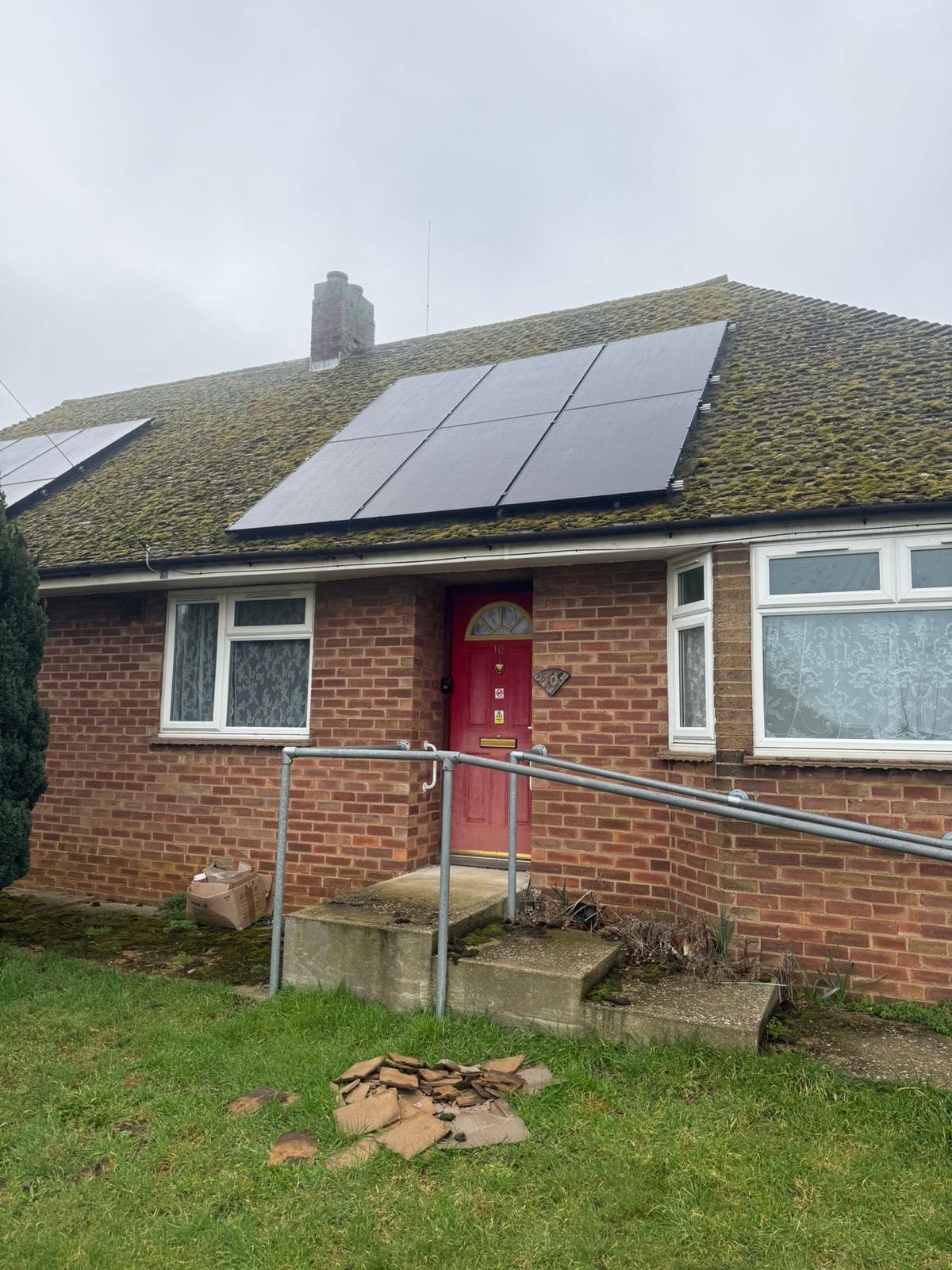
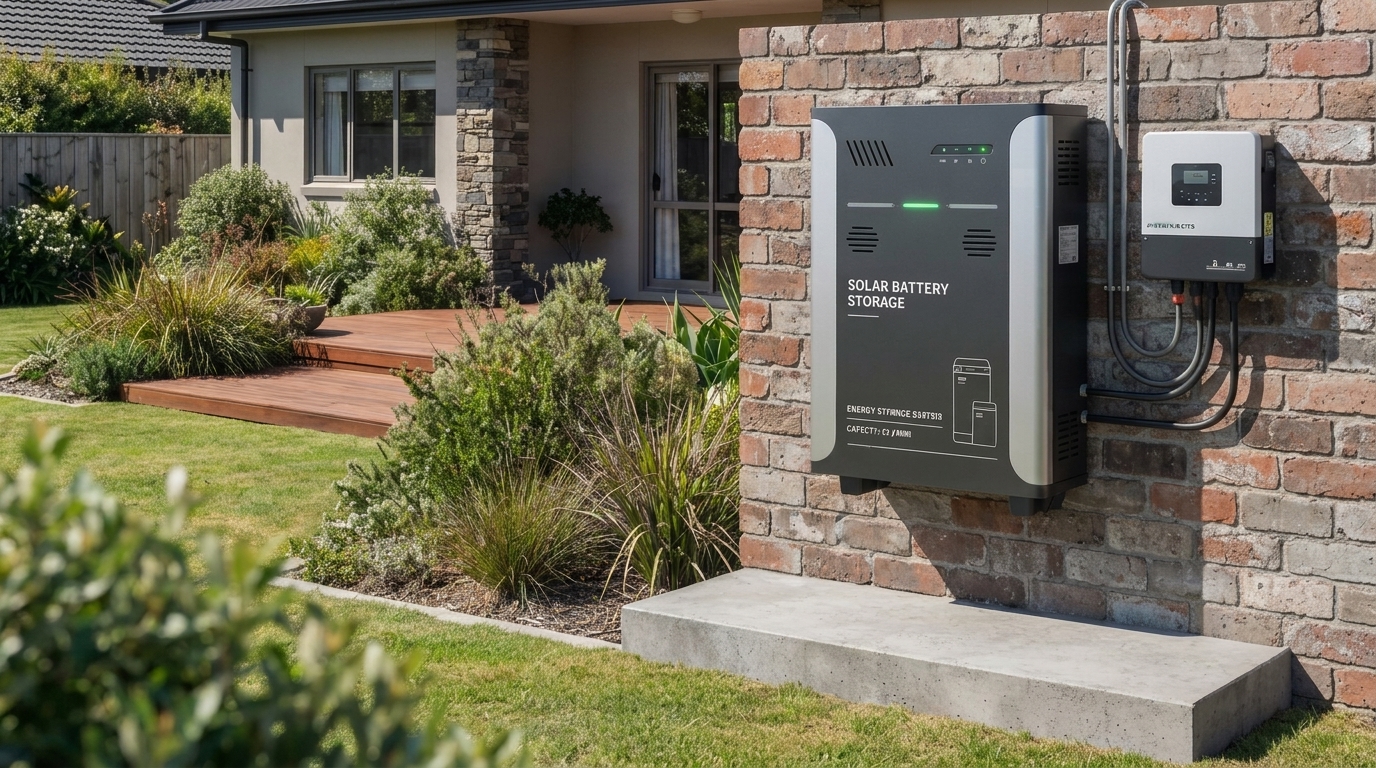
Good news for solar owners. A battery storage loan doesn’t need new panels. You can add a battery to an existing system, or fit one on its own. See our home battery storage service for options.
What the loan won’t pay for
- Insulation, even alongside a heat pump
- New windows or doors
- Roofing or structural work before solar goes on
- An EV charger on its own (only with solar or a battery)
- Air-to-air heat pumps, until MCS standards exist for them
A lender may still offer ordinary finance for this work. It just won’t get the government discount.
Can you combine it with the Boiler Upgrade Scheme?
Yes. This is one of the best parts of the scheme. In England and Wales, the Boiler Upgrade Scheme grant gives £7,500 off an air source or ground source heat pump. Some homes off the gas grid can get up to £1,500 more.
Your installer claims the grant and takes it off your quote. The Warm Homes loan can then cover the rest.
A simple example
- Air source heat pump installation: £14,000
- Boiler Upgrade Scheme grant: −£7,500
- Amount left to pay: £6,500
- Funded with a low or zero-interest Warm Homes loan
So a homeowner could switch to a heat pump with nothing paid upfront. In Scotland, the loan can be paired with Home Energy Scotland support instead.
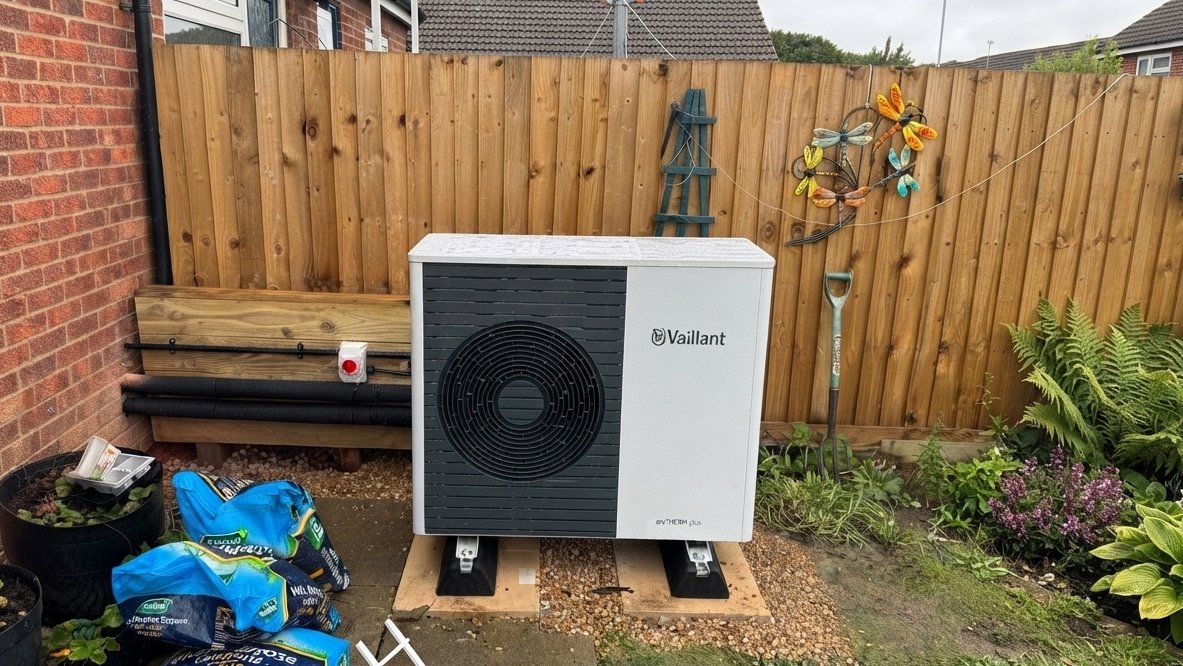
Why your installer must be MCS certified
Every measure except heat network connections needs an MCS certified installer. The lender checks this when you apply. It checks again once the job is finished and registered with MCS.
Your quote also matters. Lenders will expect it to be:
- Dated within the last six months
- Addressed to you, with the full installation address
- From an installer showing its MCS certification
- Itemised, with every cost listed
- Clear on the system size
A vague, single-line quote could slow your application down. A proper home survey avoids that.
Loan, grant or discount: which Warm Homes scheme is which?
Several government schemes have similar names. Here is the quick version.
| Scheme | Who it’s for | What you get |
|---|---|---|
| Warm Homes Loan Scheme | Homeowners and private landlords, any income | A cheaper loan for heat pumps, solar or batteries |
| Boiler Upgrade Scheme | Homeowners in England and Wales replacing fossil fuel heating | A £7,500 grant towards a heat pump |
| Warm Homes: Local Grant | Lower-income households in eligible areas | Funded upgrades through your local council |
| Warm Home Discount | People on certain benefits | A yearly rebate on your electricity bill |
How to apply for a Warm Homes loan in 5 steps
- Check you qualify. You need to own an existing home or be a private landlord.
- Decide what to install. Heat pump, solar, battery or a mix. Each has its own cap.
- Get a survey and quote. Use an MCS certified installer. Make sure the quote is itemised and dated.
- Choose a lender. Check if it lets you use your chosen installer. Compare the total cost, not just the rate.
- Apply and keep records. The lender runs its checks. Keep your quote, finance agreement, invoice and MCS certificate.
Is a Warm Homes loan worth it?
For many homes, yes. The government says a heat pump, battery and solar together could save up to £550 a year. A smart time-of-use tariff could add around £300 more.
Batteries work well with these tariffs. They charge when power is cheap and run your home at peak times. Heat pumps also pair nicely with solar.
Still, it is a loan. Only borrow what you can comfortably repay. If you’re on a lower income, check grants first. You may get the work funded without borrowing.
How Easylife Energy can help
Easylife Energy installs air source heat pumps, residential solar panels and battery storage. Every job is carried out by our own MCS, NICEIC and APHC-registered engineers.
We survey your home first. Then we give you a clear, itemised quote. You can take that quote to a participating lender that accepts your choice of installer.
Want to know what the scheme could cover for your home? Contact our team for a free survey and quote.
Warm Homes Loan Scheme FAQs
1. Is the Warm Homes Loan Scheme open now?
Yes. It opened on 27 October 2026 with ten lenders. You apply to a participating lender, either directly or through an installer that offers its finance.
2. Is the Warm Homes loan interest-free?
Some loans are. The government lowers lender rates by up to around five percentage points. Whether your loan reaches 0% depends on the lender and the loan length.
3. Can I get a loan for a battery without solar panels?
Yes. Battery storage qualifies on its own, with a loan cap of £15,000.
4. Does the scheme cover insulation?
No. Insulation, windows, doors and roofing work are not covered. A lender may offer ordinary finance for these separately.
5. Can landlords use the Warm Homes Loan Scheme?
Yes, private landlords can apply if they borrow in their own name. Properties held in a limited company are not eligible.
6. Can I use my own installer?
It depends on the lender. Some only lend through partner installers. Others accept any MCS certified installer. Check before you apply.
7. Is the scheme available outside England?
Yes. The loans are available in England, Scotland, Wales and Northern Ireland.
Scheme details checked against GOV.UK in October 2026. Rates, lenders and caps may change, so confirm with your lender before applying. This article is general information, not financial advice.